Adler Law Group, LLC Attorneys at Law

Blog / Car Accidents

Blog

All Car Accidents Injuries Personal Injury Premises Liability Criminal Defense Animal Bites Motorcycle Accidents Business Law Insurance dispute attorney Firm News

What Evidence Is Required to Prove Fault in a Connecticut Car Accident Case?

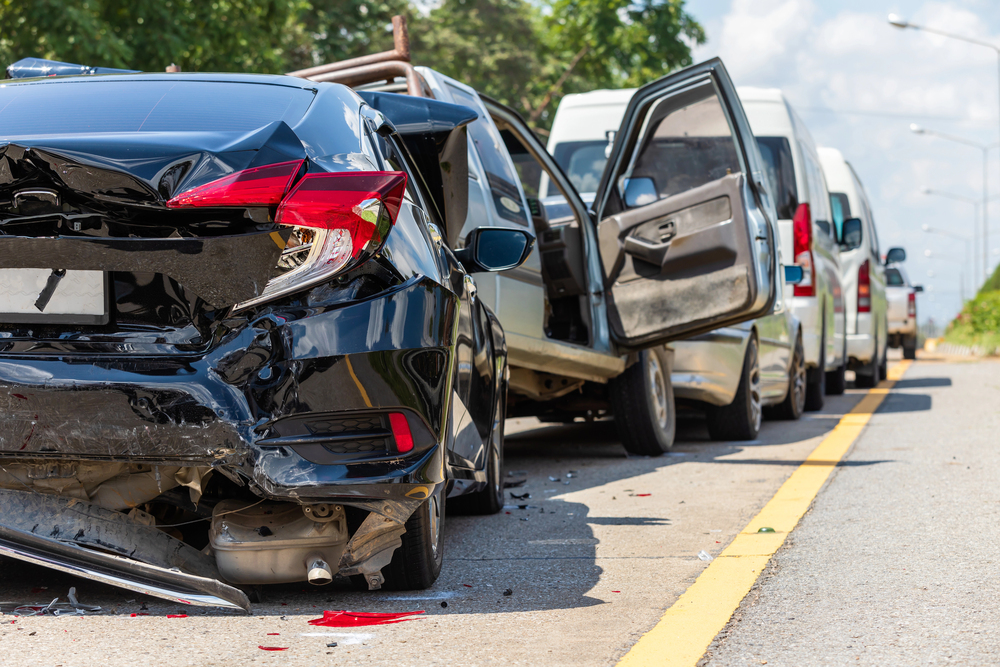
Being involved in a traffic accident that is the fault of another party can be frustrating, but you could be entitled to compensation related to resulting property damage, lost wages, and injuries you sustained. To recover damages from an accident claim in East Hartford, CT, your personal injury lawyer will need to prove fault using several types of evidence from the accident that support your claim. Official Police Report An official accident report compiled by law enforcement offers compelling evidence about the details of an accident. Law enforcement officials are trained in gathering evidence, and their reports are often used to demonstrate fault. The report will include details like the date and time, people and vehicles involved, witness statements, photographs, a traffic scene diagram, and the officer's narrative of what happened during the accident. more Photographs From the Accident Scene If you're involved in an accident, it's a good idea to take photos of the scene, including damage to vehicles, road conditions, nearby traffic signs and signals, multiple angles of the accident site, any damage to nearby property, and possible skid marks. The photos will document multiple details that may otherwise be lost and could help prove fault in an accident. Video from Nearby Cameras In the modern age, few populated areas are outside the range of at least one video camera, whether it's a traffic camera, security camera, doorbell camera, or phone camera. Those cameras can inadvertently capture video of traffic accidents, and that video can help support your case and determine fault. Survey the accident scene for possible sources of video footage, as it could provide invaluable evidence that leaves little doubt who was at fault. Witness Statements Many traffic accidents are witnessed by uninvolved parties who saw what happened before, during, and after a traffic accident. Because impartial witnesses have no stake in the outcome of a case, their testimony can provide important evidence when determining a party's fault in a traffic accident case. The witness statements in the police report can be helpful, but testimony from eyewitnesses can be even more powerful when assigning fault. Phone Records In some cases, the cell phone records of the driver believed to be at fault can help provide a car accident claim. For example, if the time of the accident has been irrefutably documented, cell phone records may be used to prove that the driver at fault was distracted by phone calls, text, or social media activity at the time of the accident. Expert Testimony Testimony from an expert can help support your car accident claim and determine fault. Accident reconstructionists are trained to review available evidence and draw sound conclusions about fault in traffic accidents. They can determine factors that contributed to the collision, such as speed of travel, point of impact, direction of travel, and driver reactions. Their expertise can be helpful when their conclusions align with your claims. Proving fault in a car accident is simple when the evidence supports your claims. To contact an attorney and learn more about what evidence can be used to prove fault in a traffic accident, contact Adler Law Group, LLC, Attorneys at Law in East Hartford, CT, today.
Why night driving increases the risk of a motor vehicle accident

On Behalf of Adler Law Group, LLC The summer solstice, the day with the longest daylight hours of the year, passed over a month ago. This means that it is starting to get dark earlier in the evening. Regardless of the time of year, driving in the dark carries certain risks that drivers can largely avoid during the daytime. If you drive a lot after dark, you may be at an increased risk of getting into an accident on the road. Why does night driving increase the risk of a motor vehicle accident in Connecticut? Reduced visibility Even though cars have headlights and many highways have lights illuminating the path, night driving still comes with reduced visibility. This means drivers have less time to react if something like a deer crosses in front of them. Frequency of drowsy drivers The nighttime sees a higher incidence of people who are driving drowsy, which can be just as dangerous as driving under the influence of drugs or alcohol. While the only thing you can do about other drivers is to drive defensively, pull off someplace safe to rest if you find yourself getting sleepy behind the wheel. Increased glare Looking at the glare from another car’s headlights can temporarily make it difficult for another driver to see. Glare is a problem unique to night driving as this is when headlights are generally in use. Being aware of the risks of night driving helps you be a safer and more defensive driver, reducing the chances of getting into an accident.

How can drowsy driving lead to unexpected accidents?

On Behalf of Adler Law Group, LLC As you try to change lanes and continue your journey on the road, your eyes may drift over to the drivers around you. One issue that you may notice that is becoming more common is people falling asleep behind the wheel. It is important to notice the signs of drowsy driving, especially if you are on a highway or other crowded area. Ignoring the warnings According to the Centers for Disease Control and Prevention, driving over the rumble strips on the side of the road that warn drivers of a long drop is dangerous. When a driver continually ignores or accidentally drifts over them, it could be a sign they are asleep. This excessive sleepiness from a long shift or an unsafe medication can leave a driver struggling to remember the last few miles of road. They may make dangerous mistakes when startled awake, such as wildly turning the wheel or slamming the brakes without warning. Failing to recognize danger A driver who is falling asleep may not pay attention to signs or stop lights around them. Whether they are too unfocused to process these signs or they are simply not reacting fast enough, a crash can happen when one person fails to stop in time. Going over the speed limit When a person is traveling for a long time on a highway, it can feel easy to accelerate without realizing it. This means that someone used to not turning or slowing down can lose control of their vehicle while on a lengthy stretch of road. Noticing these signs of people around you can help you if you worry about crashes caused by a drowsy driver.

How to talk to an aging parent about unsafe driving

On Behalf of Adler Law Group, LLC As your parents age, you may worry about their ability to continue driving. According to the National Highway Traffic Safety Administration, senior drivers accounted for 20% of all traffic fatalities in 2019. You might notice signs that your parents can no longer safely operate a vehicle. For example, you may discover multiple dents and dings on their vehicle or find that they easily become lost on familiar routes. Talking to a parent about giving up the car keys can be difficult. Try these tips to help facilitate a productive conversation. Avoid overwhelming your parent Approach your parent one-on-one. You do not want him or her to feel ganged up on or defensive. Carefully, consider who will be the best person to relay the family’s concerns. This could be you, or it may be a sibling, spouse or close friend. Provide specific examples and reasons Broad statements about your parent’s driving habits are not likely to be persuasive Instead, provide specific examples of unsafe behaviors or recent accidents. Make sure to use a sympathetic and understanding tone and avoid accusatory language. Let your parent know their situation is a normal part of getting older. Discuss alternatives As people age, they want to maintain their independence, and driving is often an important part of that. Offer up transportation alternatives that can help your parent continue to enjoy the same activities and routines. Options include public transportation, senior-focused transportation programs and rideshare services. Asking your parent to stop driving can be a difficult conversation that may evoke many emotions. Makes sure to stay calm and focus on your goal: your parent’s safety.

Why a rear-end auto accident is more than a minor collision

On Behalf of Adler Law Group, LLC According to the National Highway Traffic Safety Administration (NHTSA), the most common type of car accident is a rear-end collision. In 2019, 32% of all accidents involved a driver hitting another car from behind. Being rear-ended may cause injuries as severe as those from any other type of auto accident. If another driver hits you from behind, even at a low speed, do not assume that you should skip a visit to a doctor. Injures may show up days or weeks later, leading to a lifetime of discomfort. Causes of rear-end car accidents Distracted driving is the most common reason for rear-end collisions. Whether drivers are talking to passengers, changing radio stations or glancing at their phones, failing to watch the car in front of them results in an impact. Other causes of these accidents are speeding, following too close, weather, traffic and malfunctioning brake lights. Common injuries of rear-end collisions According to NHTSA’s 2019 report, out of over 2 million rear-end accidents, 27% resulted in injuries. The speed of both vehicles affects the severity of the damage. Some of the most predominant ailments from a rear-end impact are the following: Spinal injuries including breaks, muscle strains and herniated disks Whiplash which may lead to headaches, dizziness, stiffness in the neck, fatigue and neck pain Arm trama from holding the steering wheel during impact lead to dislocated shoulders, sprained wrists and fractured bones Facial injuries such as knocked-out teeth and lacerations While a rear-end collision is out of your control, what you do next may have a long-term impact. Seek medical treatment after an auto accident to protect your right to pursue damages.

Where and why do the majority of large truck crashes happen?

On Behalf of Adler Law Group, LLC Given the ever-increasing amount of large truck traffic on the main thoroughfares in Connecticut, you might think most truck crashes occur in urban areas or on the interstate. Various factors come together to cause truck-car accidents, and as a result, these crashes do not necessarily happen on major highways. Common causes Poor weather or road conditions often contribute to vehicle crashes. A commercial truck driver travels long distances and may remain on the road for 11 hours or more at a stretch. Driver fatigue can result and is a primary cause of truck accidents. Cargo overloading is another problem since this makes a truck difficult to control. Rollovers are a frequent result of overloading. Reckless driving, alcohol or drug use and worn-out brakes or other components are other reasons behind large truck crashes. Primary locations The majority of truck crashes occur on rural roads during daylight hours. Drivers tend to exceed the speed limit in rural locations. They might cross the center line and are often driving too fast to avoid a deer or other animal crossing the road. Potential injuries The occupants of smaller vehicles usually suffer the worst injuries in a truck-car crash. Common injuries include: Crushing injuries Spinal injuries Paralysis Burn injuries Traumatic brain injury Deep lacerations with profuse bleeding Financial help Accidents in rural locations are especially concerning since it will take longer for emergency personnel to arrive at the scene and take the injured to the hospital. Injuries resulting from a truck-car crash may require lifelong care. However, the victims have the right to pursue fair compensation to cover current and future medical expenses, pain and suffering and more.

Three tips to be a defensive driver

On Behalf of Adler Law Group, LLC From inattentive drivers to wild animals, many hazards on the road can lead to costly and painful collisions. Following these defensive driving tips will help you remain prepared to take preventative action to avoid accidents. 1. Stay focused on the road Distracted driving leads to many avoidable accidents. Silence your phone or put it out of reach while driving and limit drinks and snacks to items that do not require you to look away from the road. Keep your focus on the task of driving so that you can spot and avoid hazards. 2. Do not rely on other drivers to keep you safe In a perfect world, everyone would drive safely and be respectful of others. In reality, your safety is your responsibility when you are behind the wheel. Wait an extra moment at stoplights to make sure crisis traffic has stopped. Leave extra space between you and the vehicle ahead of you, especially in poor weather conditions. Be proactive about your safety when driving and stay out of others’ blind spots. 3. Look out for hazards Defensive drivers are vigilant about looking for safety hazards so that they can avoid them. Watch for aggressive drivers and those who change lanes often. If you are driving in a rural area, keep an eye out for wild animals darting into the road. Use high beam lights at night to give yourself a bigger field of vision, but remember to turn them off when facing oncoming traffic so that you do not blind other drivers. Defensive driving does not mean aggressive driving. Remain calm in all situations while behind the wheel of a car to avoid instances of road rage. Plan ahead for every trip to reduce the temptation to speed or drive recklessly.

Drive safely in snow and ice this season

On Behalf of Adler Law Group, LLC Serious snowstorms significantly increase the risk of auto accidents. If you need to travel on Connecticut highways with snow and ice in the forecast, safe strategies can help lower this risk so you reach your destination safely. Review these snow and ice driving tips as winter weather approaches. Prep your vehicle Before you set out, make sure your car has plenty of gas. Check the heater, windshield wiper fluid, brake fluid, and headlights. Replace your tires if they do not have enough tread. If necessary, clear snow off all the surfaces of your vehicle. Pack a flashlight, shovel, sand, and flares in case you get stuck. Plan your trip While you might consider taking back roads to avoid other vehicles, these routes are less likely to be clear. Stick to main roads since the state plows these first. Instead, try to time your trip so you do not have to travel during rush hour. If you have to go to work, ask your employer about flexible hours. No matter where you have to go, give yourself plenty of time to get there. Know how to react If your car slides on ice or another slippery surface, do not brake hard, as this can cause you to lose control of the vehicle. Take your foot off the accelerator and the brake, letting your car “drift” through the icy area. When you need to stop, leave plenty of space and use a slow, steady pressure. If you or a loved one experiences a serious auto accident injury, you can pursue legal compensation if another driver’s actions caused the collision.

What not to share on social media about your accident

On Behalf of Adler Law Group, LLC Now that friends and family are more likely to be on the other side of the country than on the other side of the street, sharing news on social media is simpler. Instead of calling or texting your loved ones, you can make one post and know that most of your friends and family will get the information. One of the challenges that come with more social media is learning what to post and when. When it comes to a car accident, the wrong post on social media could create challenges. Here’s why posting about your accident on social media could be a mistake. Here’s what you should know before you post about your accident on social media. When in doubt, don’t post In many cases, courts consider social media posts public, even if you have a privacy setting applied to the post. Unfortunately, screenshots allow anyone to share a post, whether that was your intent or not. Also, when you reply to comments, you could say something that could work against you. Once you have a resolution to your car accident claims and you have had a chance to heal, you can post an update for more distant friends and family. However, it is better to leave discussions of your car accident off of social media. No pictures, please Pictures of your accident will tell a story, but you do not want the wrong people deciding how to tell the story. You can make sure photos do not get into the wrong hands by sharing pictures with friends and family outside of social media posts. Use caution with other posts, too Keep in mind, posts about your accident are not the only types of social media posts that could create problems for your car accident claim. Posts about your activities could also create a problem if they could raise questions about your injuries. A post about your weekend activities may seem irrelevant. Still, if the activity appears to conflict with your injuries, it could be problematic, especially if it conflicts with the timeline of your accident or injuries.

Fatal accidents involving teens increase in the summer

On Behalf of Adler Law Group, LLC In the summer of 2020, 10 people died in car crashes that involved teenage drivers in Connecticut. Three fatal accidents involving teens have already occurred in 2021. Experts warn that deadly crashes involving teens tend to increase in the summer, but why does this happen? Why more fatal accidents involving teens happen in the summer Many teenagers wait for warm weather to obtain their drivers’ licenses, which leads to an increase in new drivers on the road in the summer. Additionally, the warmer weather and school being out leads to more teenagers driving. Why teens cause more accidents Drivers between the age of 16 and 19 cause more vehicle crashes than any other age group. Male drivers are particularly at risk. Teenage males are more than twice as likely to die in a crash than their female peers. The risk is highest during the first few months after a new driver obtains a license. Several factors put teens more at risk: Inexperience Weekend and nighttime driving Not wearing seat belts Speeding Distracted driving Alcohol use How to reduce fatal accidents Almost half of all teens who die in crashes are not wearing a seat belt. Parents should stress the need to always wear a seat belt. Additionally, parents should educate their teens about risky behaviors, such as speeding and driving while tired, distracted or impaired. Inexperience is a major contributing factor to the high rate of fatal accidents involving teens. In addition to teaching safe driving habits, parents may want to restrict their teens to only supervised driving during the first few months.

A car crash, a spinal cord injury and the prospect for recovery

On Behalf of Adler Law Group, LLC Next to a fall, a vehicle crash is the most common cause of a spinal cord injury, or SCI. Symptoms vary, but a spinal cord injury can be devastating if the damage is severe. However, today there are advances in treatment protocols and new hope for SCI patients. About spinal cord injury The bundle of nerves that make up the spinal cord carry impulses from the brain to other parts of the body. Located inside the vertebral column, the spinal cord is delicate and cannot repair itself if damaged. The severing of the spinal cord is not necessary in order for changes in function to occur and symptoms of SCI can range from pain to incontinence to paralysis of arms or legs. SCI consequences SCI takes two forms: complete and incomplete. In a complete injury, the victim will have no feeling or strength below the site of the injury and will therefore experience some form of paralysis. Those with an incomplete SCI will still have some level of feeling and movement below the injury site. Current treatment and the future Paralysis does not always occur. For example, the vertebrae could fracture from the impact of a vehicle collision without the spinal cord suffering significant damage. However, those who suffer serious SCI may face long-term disability. Encouraging results from ongoing research indicate that SCI may one day be repairable. Meanwhile, new emergency care procedures, surgical techniques and aggressive rehabilitation programs are helping to restore many functions that once seemed doubtful. While the medical costs are great, victims of SCI have the right to anticipate financial compensation to cover these expenses and more.

What to know after experiencing an auto accident injury

On Behalf of Adler Law Group, LLC Debilitating injuries resulting from a car crash can cause chronic pain, disability and loss of income. In Connecticut, you can recover legal compensation after a serious collision injury if you can prove that another driver was at fault in the accident. Review the details about what to expect after a devastating auto accident. Fault determination As a fault state, Connecticut allows drivers to either seek compensation through insurance or file a lawsuit when another driver causes a crash. You can also start with an insurance claim and go through the legal system if you receive an unsatisfactory settlement. As the plaintiff in this type of case, you must have police reports, witness testimony and other proof of fault on behalf of the defendant. If you share some fault in the crash, the judge can reduce your damages by your fault percentage based on the state’s modified comparative fault standard. Available damages Connecticut does not have a cap on auto accident damages. You can file a claim that covers your lost wages, medical bills and property damage as well as non-monetary costs such as loss of life enjoyment. The state makes punitive damages available in cases involving deliberate or reckless driving conduct. In this case, the judge has the discretion to award double or triple damages. After you experience a serious auto accident that causes extensive injuries, you have up to two years to file a lawsuit. When you do not receive a diagnosis of injuries associated with the accident right away, the two-year deadline begins at the diagnosis date.

Contact Us

Fill out this form below and we'll contact you shortly
*Required Fields